
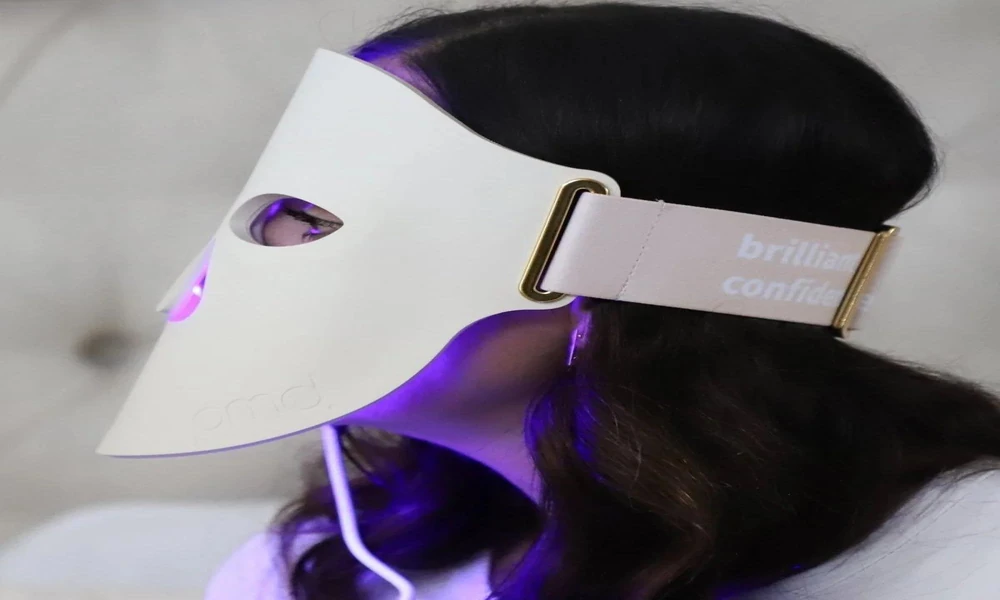
Skincare technology has made it easier to explore treatments that were once primarily available in professional settings. LED light therapy is one example. At-home LED devices are now designed to fit into everyday routines, offering a convenient way to incorporate specific wavelengths of light into facial skincare.
However, choosing an LED device involves more than selecting an attractive design or following a popular beauty trend. Different wavelengths serve different purposes, product specifications vary, and consistent use is generally more important than expecting an immediate transformation. Understanding how the technology works can help you make a more informed decision.
What Is LED Light Therapy for Skin?
LED stands for light-emitting diode. In skincare, LED devices use specific wavelengths of visible or near-infrared light to interact with the skin. Unlike ultraviolet light, which is associated with skin damage, LED skincare devices are designed to deliver controlled light exposure without relying on UV radiation.
LED treatments are available in dermatology practices and in products designed for home use. Professional equipment and consumer devices are not necessarily identical, so their performance and treatment protocols should not be assumed to be interchangeable.
At-home devices are particularly appealing to people who want a convenient skincare option that does not require frequent appointments. Still, an LED device should be considered one part of a broader routine rather than a replacement for basic skincare or professional advice.
Understanding the Different LED Light Colors
One of the most important things to consider when comparing LED devices is wavelength. The color of the light provides a general indication of its wavelength, but the actual specifications matter more than the color alone.
Red Light for the Appearance of Aging
Red LED light is commonly associated with skincare routines focused on visible signs of aging. Research suggests that certain red-light treatments may help improve the appearance of fine lines, wrinkles, skin texture, and redness.
Red light is also studied for its potential role in supporting collagen-related skin processes. However, results can vary depending on the device, treatment schedule, and individual skin characteristics.
It is important to avoid expecting dramatic or immediate changes. At-home treatments generally require consistency, and improvements may be subtle.
Near-Infrared Light for Deeper Light Exposure
Near-infrared light is not visible to the human eye. It has a longer wavelength than visible red light and can reach deeper tissue layers.
Some skincare devices combine red and near-infrared wavelengths to provide more than one type of light exposure during a session. These wavelengths are often discussed in connection with skin recovery and the appearance of firmness.
When comparing products, check whether near-infrared light is actually included and look for its wavelength in the manufacturer’s specifications. A product description that simply says “infrared technology” may not provide enough information to evaluate the device.
Blue Light for Blemish-Prone Skin
Blue LED light is commonly used in skincare devices designed for blemish-prone skin. Research has examined its potential to target acne-associated bacteria, making it a different option from red-light treatments focused on visible signs of aging.
Blue light is not a complete acne treatment for everyone. Persistent, painful, or severe breakouts may require professional assessment and evidence-based treatment rather than relying on a beauty device alone.
What Should You Look for When Choosing an LED Device?
Not every LED mask offers the same technology or user experience. Before purchasing one, consider the specifications, comfort, safety information, and practical features that affect regular use.
Here are some important factors to evaluate:
- Wavelength specifications: Look for clearly stated wavelengths rather than vague descriptions such as red, blue, or advanced light technology.
- LED coverage: Consider how the LEDs are distributed across the face and whether the design provides coverage around areas such as the nose and mouth.
- Adjustable intensity: Multiple power settings can provide more control over the treatment experience.
- Comfort and fit: Flexible materials, a suitable headband, and a hands-free design can make regular use more convenient.
- Eye protection: Check the manufacturer’s eye-safety guidance and follow all instructions for wearing the device.
- Cleaning and storage: A surface that is easy to clean and suitable storage accessories can make maintenance simpler.
- Usage instructions: Treatment duration and frequency should be clearly explained by the manufacturer.
A well-designed device should provide understandable instructions and realistic product information. Avoid making a purchasing decision based only on the number of LEDs or promotional photographs. Also explore Flexitol Revitalizing Cream Ingredients and Benefits Explained Clearly Today
Why Full-Face Coverage and Comfort Matter
Coverage is an important part of the overall user experience. A device with uneven LED placement may not provide the same exposure across every facial area. A well-designed mask aims to distribute its light sources across the treatment area.
Comfort matters for a different reason: it can influence whether someone continues using the device as directed. A mask that feels uncomfortable, requires complicated setup, or is difficult to store may become inconvenient over time.
Flexible silicone is one material used in some modern LED masks because it can adapt to facial contours. Adjustable straps and hands-free operation can also make it easier to complete a treatment without holding a device in place.
For example, the PMD combines flexible silicone construction with 201 medical LEDs arranged across 67 light zones. Its design includes coverage around the nose and lip areas, built-in eye protection, and an adjustable headband. These are practical features worth considering when comparing full-face devices.
Getting Started With an At-Home LED Routine
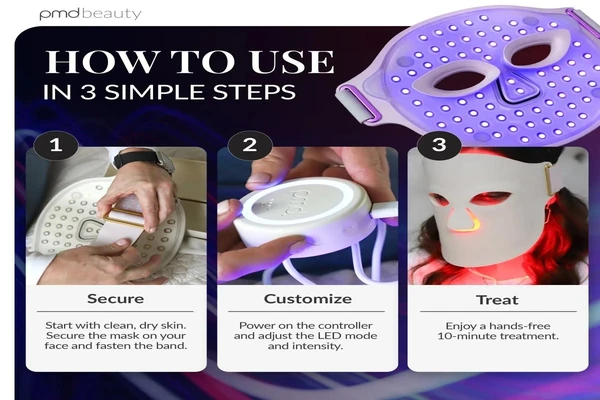
Before introducing an LED device, read its instructions carefully. Different products can have different treatment durations, intensity settings, and recommended schedules. Following the manufacturer’s guidance is more appropriate than assuming that every mask should be used in the same way.
A simple approach to getting started includes the following steps:
- Read the product instructions: Understand the available light modes, intensity controls, treatment duration, and safety precautions.
- Prepare your skin: Follow the manufacturer’s directions regarding cleansing and whether skincare products should be applied before treatment.
- Position the device correctly: Adjust the mask so that it sits securely and comfortably.
- Select the appropriate mode: Choose the light setting according to the device instructions and your skincare goals.
- Complete the recommended session: Do not extend treatment time or increase intensity beyond the manufacturer’s guidance.
- Maintain your regular skincare routine: Continue using appropriate moisturizer and daytime sun protection.
Consistency is useful, but more treatment does not automatically mean better results. Avoid increasing the frequency or duration simply because visible changes have not appeared immediately.
Safety Considerations Before Using LED Masks
At-home LED devices should be selected and used carefully. Although many consumer LED products are designed for home use, safety depends on the specific device, its instructions, and the individual using it.
The American Academy of Dermatology explains that red-light therapy may offer some cosmetic benefits, but research is still developing and results can vary. It also recommends considering professional guidance before using a red-light device, particularly for people who may have additional skin or health considerations.
People with light sensitivity, certain medical conditions, or medications that increase sensitivity to light should consult a qualified healthcare professional before starting treatment. Anyone with a history of unusual reactions to light-based treatments should also seek advice first.
Stop using the device if you experience persistent irritation, discomfort, or an unexpected reaction. Follow the manufacturer’s eye-protection instructions and do not use a product that appears damaged or does not operate correctly.
It is also worth understanding the difference between FDA clearance and a guarantee of results. Regulatory status should be checked for the specific product and intended use. A clearance claim does not mean every user will experience the same cosmetic outcome.
A Closer Look at PMD LED Mask Features
For shoppers comparing full-face LED devices, product specifications can help make the decision more practical. The PMD LED Mask is designed with three light options: red, near-infrared, and blue.
Its listed technical specifications include:
- Red light: 630nm, intended to support the appearance of smoother skin and improve the look of fine lines.
- Near-infrared light: 880nm, included to complement the red-light setting.
- Blue light: 415nm, designed for blemish-focused skincare routines.
- Three intensity levels: Users can select from low, medium, and high settings.
- 201 medical LEDs: Distributed across 67 light zones for full-face coverage.
- Ten-minute treatment session: A hands-free design intended to make sessions easier to incorporate into a daily schedule.
The mask also features flexible silicone, an adjustable headband, built-in eye protection, a rechargeable controller, and storage accessories.
These specifications make it easier to understand what the device offers without relying on broad marketing descriptions. Anyone considering a purchase should review the current product instructions, safety information, and recommended treatment schedule before use.
How to Build a Balanced Skincare Routine Around LED Therapy
An LED device should complement a skincare routine rather than make it unnecessarily complicated. Basic habits such as gentle cleansing, moisturizing, and daily sunscreen remain important regardless of whether you use beauty technology.
For many people, a simple routine is easier to maintain than one containing too many active ingredients and treatments. Introduce new products or devices thoughtfully, especially if your skin is sensitive or prone to irritation.
You should also consider your primary concern before choosing a device. Someone interested in improving the appearance of fine lines may prioritize different specifications from someone looking for a product designed for blemish-prone skin.
If you are unsure which treatment is appropriate, a dermatologist can help assess your skin and discuss realistic options. This is especially important when dealing with persistent acne, unexplained redness, pigmentation, or other ongoing skin concerns.
Final Thoughts
LED light therapy has become an accessible part of modern skincare, but choosing the right device requires careful consideration. Wavelengths, coverage, intensity settings, comfort, safety instructions, and realistic expectations all deserve attention before making a purchase.
A good device should fit your skincare goals and your lifestyle. Rather than focusing only on trends or impressive-sounding claims, compare the actual specifications and choose a product that provides clear guidance for responsible use.
With a balanced skincare routine and consistent use according to the manufacturer’s instructions, an LED mask can be a convenient addition to an at-home beauty routine. It is not a substitute for professional treatment, but it may offer another option for people interested in exploring skincare technology.
