
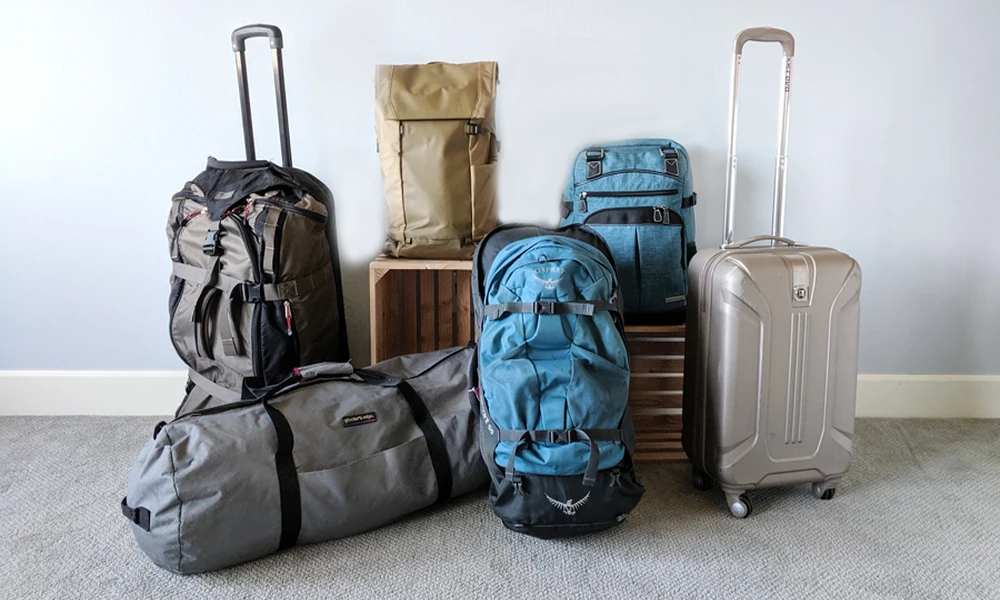
Frequent journeys reveal how quickly poor packing creates small problems. Clothes become mixed, accessories disappear between larger belongings, and useful space remains unused. A well-planned luggage layout changes those habits through simple storage choices. Each section gives particular items a clear location. As a result, packing becomes easier to control before departure and simpler to manage after arrival.
Organized Storage Keeps Belongings Accessible
A thoughtful interior starts with clear separation between different belongings. Clothing can occupy wider sections without covering smaller essentials. Zipped pockets then provide space for chargers, papers, or personal items. This arrangement keeps frequently needed pieces closer to hand. It also prevents loose objects from settling beneath heavier contents.
Useful storage features can include:
- Wide sections accommodate folded clothing with less crowding.
- Smaller pockets hold items needed during transfers.
- Zipped spaces protect delicate personal belongings.
- Flat areas keep papers from becoming creased.
- Adjustable straps prevent packed items from shifting.
Because each area serves one purpose, sorting becomes easier. The traveler spends less time searching through mixed contents. That small saving becomes meaningful when packing happens repeatedly.
What Makes A Layout Work?
An effective layout follows the way belongings are actually used. Items needed first should remain near accessible openings. Less important pieces can occupy deeper sections without causing inconvenience. This order creates a natural flow during packing and unpacking. A travel bag with sensible pockets supports that routine without adding needless complexity.
Expandable sections can help when additional room becomes necessary. Compression panels can reduce bulky clothing from spreading outward. Adjustable dividers allow the interior to change with different loads. Still, extra features only help when their purpose remains clear.
For instance, a short work trip requires fewer clothing sections. A longer journey may need separate areas for different garment types. Flexible storage therefore gives the traveler more control.
Weight Distribution Shapes Carrying Comfort
Packing space matters, yet weight placement affects movement just as much. Heavier belongings should sit closer to the lower central area. Lighter pieces can fill upper spaces without disturbing balance. This method helps the case move more predictably across busy surfaces.
Wheel design also influences everyday handling. Smooth rollers reduce effort during longer walks between locations. A stable handle gives the user better steering control. Strong attachment points matter because frequent pulling creates repeated pressure.
Even a well-sized case can feel awkward when weight sits poorly. Balanced loading therefore supports easier movement without requiring extra strength.
Can Material Change Packing Choices?
Material affects how much storage remains available after the case itself. Lightweight construction leaves greater allowance for personal belongings. Flexible fabric can provide useful outer pockets and expandable areas. Firm shells offer stronger structure around packed contents.
The choice depends on the travel routine. Someone carrying fragile items may prefer rigid protection. Another traveler may value flexible sections for changing loads. Neither option solves every packing need.
Durability also matters during repeated journeys. Strong stitching protects seams around busy compartments. Reliable closures help sections remain secure during movement. These small construction details support regular use without complicating the packing process.
Why Does Quick Access Matter?
Packing efficiency becomes clearer during unexpected moments. A traveler may need documents before reaching a destination. Chargers might become necessary during a long transfer. A spare garment could become useful after changing plans.
Accessible pockets solve these situations without disturbing larger sections. Essential items remain separated from clothing and other packed belongings. That arrangement preserves order even after several openings.
Consider a late arrival at a busy terminal. Searching through one large compartment can slow everything down. A dedicated pocket removes that unnecessary step. The benefit comes from placement rather than additional capacity.
A Familiar Layout Saves More Time
A useful packing system does more than create additional room. It gives every belonging a predictable destination before departure. Once that pattern becomes familiar, preparation requires fewer decisions.
The result can be seen in one simple detail. A charger placed in its dedicated pocket remains easy to reach. That small habit can prevent an entire case from being searched. Efficient packing therefore comes from consistent placement, not endless storage additions.
