How Tattoo Culture Varies Across Different Continents?
Tattoos have existed for thousands of years, but their cultural significance varies widely depending on geography. Across different continents, tattoos serve as art, identity, spiritual symbolism, and even social status. Understanding these variations reveals the rich diversity and meaning behind tattoo culture worldwide.
North America: Self-Expression and Pop Culture
In North America, tattoos are often a form of personal expression. From minimalist designs to elaborate sleeves, many people use tattoos to showcase individuality, commemorate milestones, or celebrate pop culture. While historically tattoos were associated with subcultures, they have become mainstream, appearing in workplaces and on celebrities alike.
Europe: Tradition Meets Modern Art
European tattoo culture blends tradition with contemporary styles. In countries like Italy, Germany, and the UK, historical motifs such as coats of arms, maritime symbols, and religious iconography coexist with modern artistic trends. European tattoo conventions often highlight innovation and technique, making the continent a hub for artistic experimentation in the tattoo world.
Asia: Spirituality and Heritage
In Asia, tattoos frequently carry spiritual or cultural significance. In Japan, traditional irezumi tattoos tell stories, honor heritage, and reflect mythical and historical themes. In Southeast Asia, Sak Yant tattoos in Thailand serve as spiritual talismans believed to provide protection and good fortune. Asian tattoo culture often emphasizes deep symbolism over mere decoration.
Africa: Rituals and Identity
African tattoo traditions are closely tied to rites of passage, tribal identity, and social status. Scarification and tattoos are used to mark life events, achievements, and community belonging. Each pattern can convey specific meanings that connect individuals to their tribe, ancestors, or social role.
Oceania: Connection to Ancestry
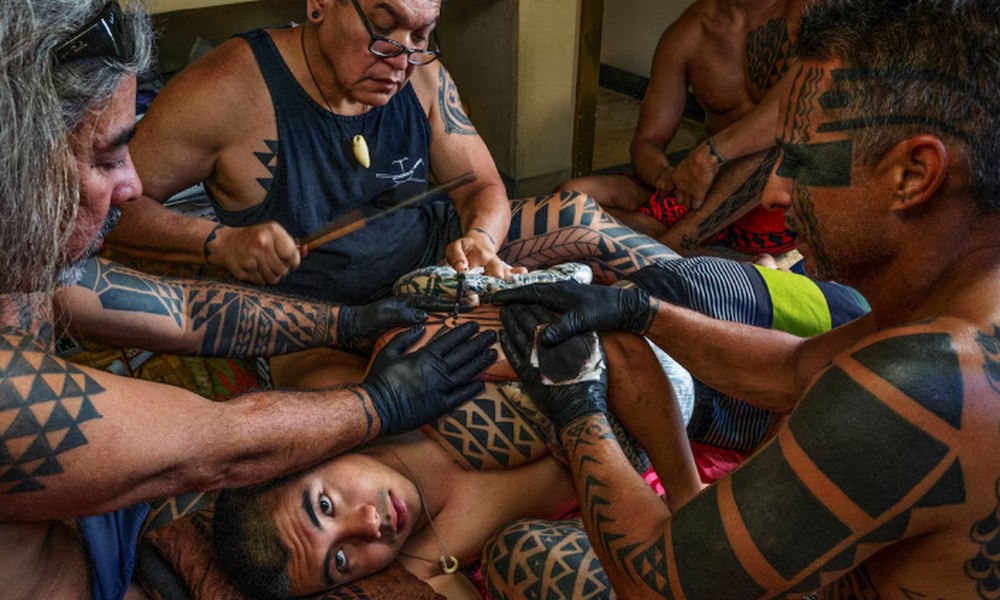
In Oceania, particularly in Polynesian cultures, tattoos are deeply intertwined with ancestry and cultural identity. Tribal tattoos often cover large portions of the body and signify lineage, rank, and achievements. The process is ceremonial, reflecting respect for tradition and communal values.
Final Thoughts
Tattoo culture is as diverse as the continents themselves. While the art form may be universal, its purpose-whether for self-expression, spirituality, or social identity-varies significantly. Appreciating these differences not only deepens respect for the art of tattooing but also highlights the cultural stories etched into the skin around the world.
This post was written by J Michael Taylor. J Michael Taylor is an artist and the owner of Black Amethyst Tattoo Gallery. Looking for Tattoo shops in St Petersburg, Florida? Black Amethyst has you covered! They provide an art-first approach to custom tattooing in a gallery setting.